
How to Start Your Veggie Garden on a Budget: Indoors, Outdoors, Anywhere?
- hickoryhomesteadia
- Feb 13, 2025
- 3 min read

Starting a vegetable garden is a fulfilling experience, especially when you can enjoy fresh produce from your own home. If you’re worried about costs, there’s no need to stress! You can successfully start seeds indoors without spending a fortune. In this post, we will explore how to begin vegetable seeds indoors affordably, which veggies are best suited for this method, and the optimal timing for planting in garden zone 5B. Let’s jump in!
Why Start Seeds Indoors?
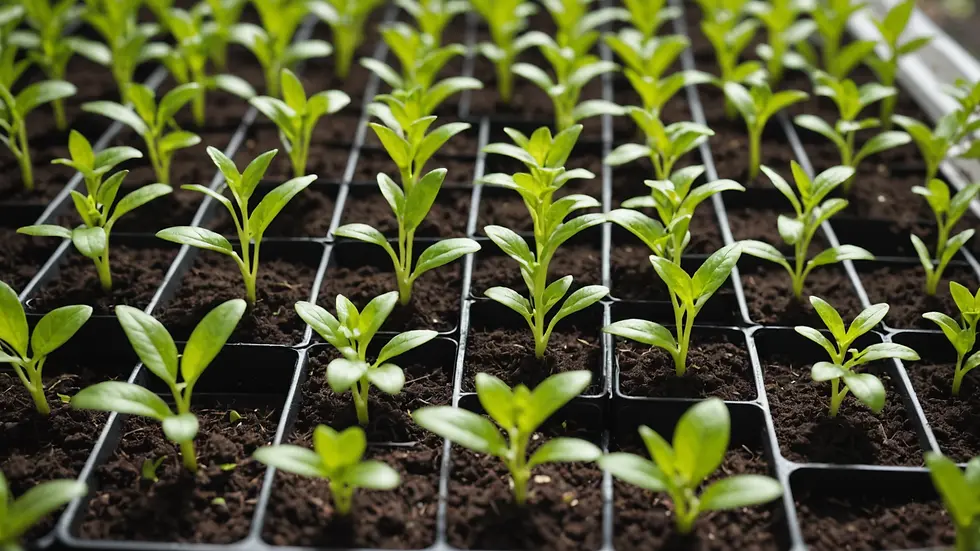
Starting seeds indoors gives you a head start on the growing season, which is crucial in locations with shorter growing periods. It not only boosts your harvest potential, but also offers the joy of witnessing the growth from seed to plant.
With some creativity and smart planning, you can launch your garden adventure without overspending.
Materials You Will Need
Before you dive into planting, gather these affordable materials:
Seed trays or containers: Reuse old containers such as yogurt cups, egg cartons, or plastic salad containers. Just make sure to add drainage holes at the bottom to prevent waterlogging.
Seed starting mix: Opt for an inexpensive seed starting mix rather than regular garden soil. It is lighter and promotes better germination for seeds compared to denser garden soil.
Seeds: Select seeds that are tailored for indoor starting. Consider varieties such as tomatoes, peppers, and herbs that thrive indoors.
Light source: If your home lacks enough natural light, low-cost fluorescent grow lights can provide the brightness that plants need. I got mine off of Amazon!
Watering can or spray bottle: These tools help keep your seedlings hydrated while preventing overwatering.
What Vegetables to Start Indoors
Several vegetables thrive when they start their journey indoors. Consider these options:
Tomatoes: A favorite among gardeners, tomatoes flourish when started indoors. For example, heirloom tomatoes can yield 10-15 pounds of fruit per plant throughout the season.
Peppers: Both bell peppers and hot peppers benefit from an extended growing season. Starting them indoors can lead to a remarkable yield increase, often resulting in 5-8 fruits per plant.
Cabbage: Starting cabbage indoors can help protect it from pests, and a single plant can provide multiple heads, contributing to a significant harvest.
Kale: Resilient and packed with nutrients, kale can produce leaves for several months, making it a great indoor starter.
Lettuce: Starting lettuce indoors can lead to harvests one to two weeks earlier, providing fresh greens ahead of the growing season.
Always check the seed packets for specific details about indoor sowing for each vegetable and their expected yields.
Timing Your Seeds for Zone 5B
Timing is critical for gardeners in zone 5B. Here’s a straightforward guideline for when to start your seeds indoors:
Tomatoes and Peppers: Start seeds 6-8 weeks before the last frost date, which is usually around May 15. This means you should begin these seeds indoors in late March.
Cabbage and Broccoli: Start these indoors 4-6 weeks before the last frost. The beginning of April is a great time for sowing.
Kale and Lettuce: These can also be started 4-6 weeks before the last frost. Early April is perfect for these seeds.
Step-By-Step Seed Starting Process
Get your seeds going indoors by following these easy steps:
Prepare Containers: Clean your recycled containers and add drainage holes. Fill them with seed starting mix.
Plant Seeds: Follow seed packet instructions for the correct planting depth for each type of seed.
Moisten the Soil: Use a spray bottle or a watering can to gently moisten the soil without soaking.
Provide Light: Keep your containers in a bright, sunny spot or under grow lights for at least 12-16 hours each day.
Water Regularly: Ensure the soil remains slightly moist, which is crucial for healthy seedlings.
Thin Seedlings: Once seedlings grow their first true leaves, thin them to allow only the strongest plants, preventing overcrowding.
Harden Off: Gradually acclimate seedlings to outdoor conditions before transplanting. Start with a couple of hours in the shade and slowly increase exposure over a week.
Inexpensive Alternatives to Conventional Supplies
Want to stretch your budget even further? Consider these extra tips:
DIY Seed Trays: Instead of purchasing seed trays, use household items like toilet paper rolls, paper cups, or egg cartons.
Natural Lighting: Utilize a sunny windowsill to save on electricity by reducing your dependence on grow lights.
Compost: If you have access to homemade compost, it can be an excellent, cost-effective substitute for commercial seed starting soil.
Your Garden Adventure Awaits
Starting your vegetable seeds indoors can be done without a hefty price tag! By being resourceful and selecting the right vegetables for your zone, you can look forward to an abundant harvest this summer.
So, gather your materials, get your hands dirty, and enjoy the thrill of planting. Happy gardening!



Comments