
Planning Your Ultimate Spring Vegetable Garden in Zone 5B Iowa
- hickoryhomesteadia
- Feb 4, 2025
- 4 min read

Spring is just around the corner, and with it comes the exciting chance to dig into your garden! If you're like me, the thrill of planning your vegetable garden leaves you dreaming of fresh produce from your backyard. This year, I’m ready to grow a variety of vegetables from large tomatoes to potatoes, and even try my hand at herbs in containers. Let’s explore how to plan your spring vegetable garden in Zone 5B, focusing on seed selection, garden layout, and starting indoor plants like tomatoes and peppers.
Choosing Your Seeds Wisely
The first step in your gardening adventure is selecting the right seeds. For those in Zone 5B, it’s crucial to pick varieties that thrive in your climate. In my garden this year, I plan to grow large tomatoes, cherry tomatoes, zucchini, cucumber, jalapeños, pepperoncinis, bell peppers, potatoes, asparagus, bush green beans, and carrots—ten different varieties that promise a colorful harvest.
When buying seeds, visit your local garden center or farmer’s market for heirloom and organic options. Fresh seeds have higher germination rates; according to a study, seeds that are less than a year old have an 80-90% germination rate, while older seeds can drop to as low as 50%. Check the seed packets for planting dates and descriptions, which include valuable information on each variety's growth habits and time to maturity.
Create a list of what you want to grow and stick to it while shopping. With so many captivating colors and cozy packets, it’s easy to get sidetracked! If you are reading this locally, I have found that using as many seeds/starters as I can from Maple Ave Greenhouse in Kalona, Iowa gives me the best results. I get my tomato and pepper seeds from MiGardener.Com since I have to start those early before Maple Ave is open for the season! I have had great luck with all of the seeds I get from MiGardener, and they are relatively inexpensive as well.
Designing Your Garden Layout
After selecting your seeds, it’s time to engage your imagination and design your garden layout. This is my favorite part about winter gardening!
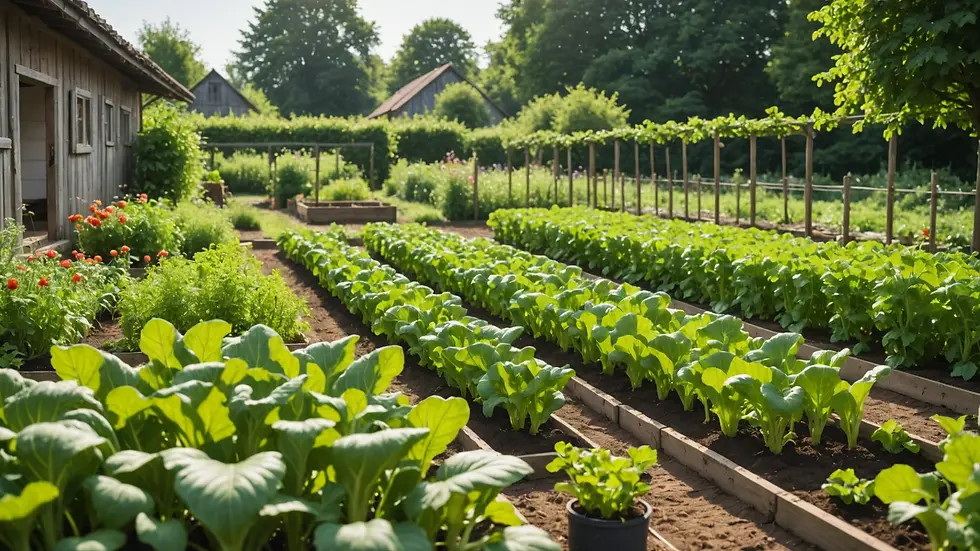
For 2025, I will plant rows for my larger plants, such as zucchini and cucumbers, which require ample space to spread out. The tomatoes, needing full sun, will be located in a bright area. I chose to use the website https://www.growveg.com/ to help me organize my garden this year. See below what my garden plan looks like!

Starting Indoor Plants
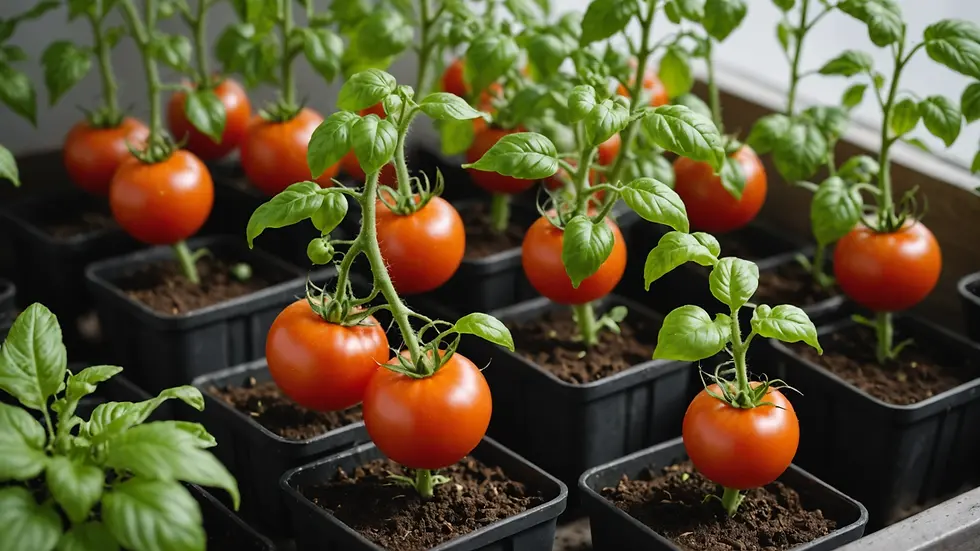
With the seeds purchased and the layout sketched out, it’s time to start those indoor plants. Tomatoes and peppers thrive with an early start, especially in Zone 5B, where the growing season can be shorter than in warmer zones.
Gather seed trays and a quality soil mix. Fill the trays with soil, planting the seeds according to the instructions—about 1/4 to 1/2 inch deep. Don’t forget to label each row to remember what you planted!
Place the trays in a sunny spot or under grow lights. Tomatoes and peppers need warmth and light to sprout. Keep the soil moist but not soggy. In about six to eight weeks, you should see little green sprouts emerge—a truly rewarding sight!
Monitor the plants' growth; once they’ve grown a few inches tall with several true leaves, it’s time to consider transplanting them outdoors.
Exploring Unique Planting Methods
This year, I’m eager to explore unique planting methods. For my potatoes, I plan to use laundry baskets. This innovative approach saves space and simplifies harvesting. By placing seed potatoes in soil-filled baskets and adding soil as they grow, I can easily sift through the contents when it’s harvest time.
Additionally, I will try growing cilantro and dill in containers. In the past, attempts to grow these herbs in the ground were disappointing. Using containers lets me control the soil quality and drainage, giving me a better shot at success.
For a productive herb garden, ensure these herbs receive plenty of sunlight and regular watering. They thrive in rich, well-drained soil, essential for vibrant flavors.
Garden Maintenance: The Key to Success
Once your plants are in the ground or in containers, regular maintenance is essential. Consistent watering is crucial, especially during dry spells. Using a soaker hose or drip irrigation system helps maintain moisture without overwatering.
Mulching is another valuable practice. A layer of mulch around your plants not only retains moisture but also prevents weeds from overtaking your garden. Each vegetable variety has specific needs, so remain observant as they grow.
Effective pest control is also vital. Natural methods, such as introducing beneficial insects like ladybugs or using row covers to shield young plants, can help manage pests without harsh chemicals.
Stay Flexible and Keep Learning
Gardening is a journey, and every year brings new chances to learn. Weather conditions may change, pests may appear, and some plants may not perform as expected. Embrace these challenges as part of your experience.
Keep detailed notes on what works and what doesn’t. This will guide your decisions for the next season's garden. Sharing experiences with fellow gardeners in your community can offer even more insights to enhance your gardening skills.
Embrace the Joy of Gardening
With spring approaching, now is the ideal time to plan your vegetable garden in Zone 5B. From seed selection and garden layout to starting indoor plants and discovering unique growing methods, each step brings you closer to enjoying your own fresh produce.
Take your time, savor the process, and remember that gardening is as much about the journey as it is about the harvest. Happy gardening!


Comments